Smart Cities and Smart Communities: Technology That Improves Everyday Life
Introduction
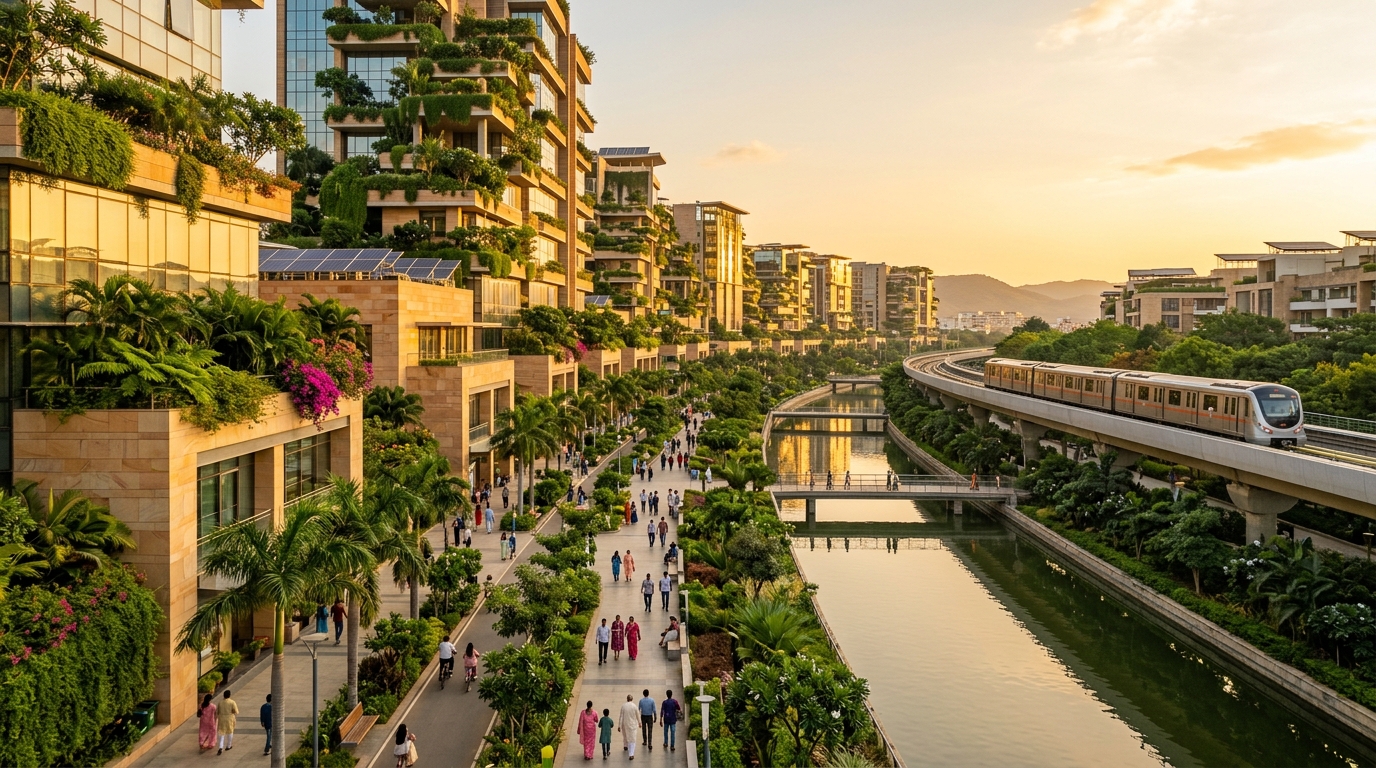
The concept of a smart city is often associated with sensors, connected devices, cameras, mobile applications, and digital infrastructure.
But technology alone does not make a city smart.
A truly smart city uses technology and data to address real-world challenges and improve the everyday lives of its citizens.
Areas Where Technology Can Make a Difference
- Smart TransportationIntelligent traffic management, real-time transportation information, better public transportation planning, digital parking solutions, and traffic pattern analysis.
- Waste ManagementSmart monitoring of waste collection, optimized collection routes, better resource utilization, and data-driven waste management.
- Water ManagementMonitoring water consumption, detecting leaks, improving distribution, and using data to plan future requirements.
- Public SafetyFaster emergency response, integrated communication systems, real-time monitoring, and technology-enabled emergency management.
- Energy ManagementSmart energy monitoring, improved energy efficiency, better management of public infrastructure, and support for sustainable development.
Role of Data
Data is one of the most important components of a smart community. It can help authorities:
- Understand traffic patterns.
- Monitor infrastructure.
- Identify service requirements.
- Predict maintenance needs.
- Plan resources.
- Improve public services.
Citizens Are Part of the Smart City
Citizens should not simply be consumers of smart services. They can actively participate by:
- Reporting civic issues.
- Providing feedback.
- Using digital public services.
- Participating in community initiatives.
- Sharing information through appropriate digital channels.
Conclusion
A smart city is ultimately about smart solutions to real problems. Technology becomes truly meaningful when it improves convenience, safety, sustainability, accessibility, and quality of life.
The future of smart communities will depend on collaboration between citizens, governments, technology providers, startups, and innovators.